‘When Giving Is All We Have’

Tiffany cropped 9681_2_face0A cascade of gifts has, lately, refreshed me. The most generous of gestures from distant and nearby sources have rushed my heart and whirled inspiration, hinting the end of an exorbitantly long parched season.

I’ll likely share more about these experiences over the coming weeks, but here’s a splash of delight from just yesterday. My friend Manoj passed along something a friend shared with him—a poem! A good poem never ceases giving and, veritably, can replenish at a speed few things do. By Alberto Rios, Arizona’s first ever Poet Laureate, this one ripples and flows to my spring.


When Giving Is All We Have


One river gives
Its journey to the next.

We give because someone gave to us.
We give because nobody gave to us.

We give because giving has changed us.
We give because giving could have changed us.

We have been better for it,
We have been wounded by it—

Giving has many faces: It is loud and quiet,
Big, though small, diamond in wood-nails.

Its story is old, the plot worn and the pages too,
But we read this book, anyway, over and again:

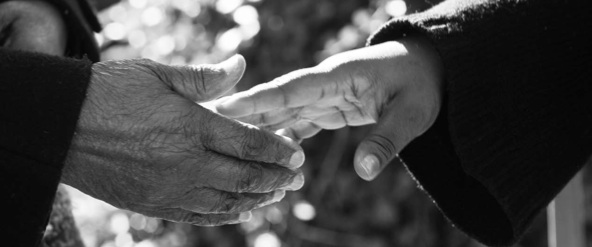
Giving is, first and every time, hand to hand,
Mine to yours, yours to mine.

You gave me blue and I gave you yellow.
Together we are simple green. You gave me

What you did not have, and I gave you
What I had to give—together, we made

Something greater from the difference.

Alberto Ríos

‘this is work in progress . . .’

Full Circle screenshot

WRITE ON Q! A poem from Giving Back, as National Poetry Month continues!

License…Poetic, Philanthropic and Otherwise

hands2dora_val

Gave away my soul.
Giving back to get it back.
Given what I know.

Ava Wood

Today is the last day of National Poetry Month and year-round I love sharing bits of poetry that were inked for Giving Back, hence the haiku above. After considerable consternation, I granted myself license while writing Giving Back to begin exploring and eventually exhibiting my poetic sensibilities. The experience has been liberating and, at times, disorienting. Stepping out of your comfort zone and eschewing safety nets can be just as scary as it sounds. Nevertheless, I have chosen the high-wire act of expressing myself more freely as a writer, as a poet, as a public speaker and in various facets of my life. Some might call these acts, self-determination.

I have learned that setting inflexible frames about how things are “supposed to be” based on others’ rules and measures is limiting. As is clutching too tight to the unessential. These and a string of other epiphanies are revealed in my recent TEDx Talk, A Picture Reframed.license 

One week ago, a story on Ebony.com—the online version of EBONY Magazine—re-stirred my thinking about the concept of self-determination and the word license.

‘Young Black Philanthropist’ Is Not an Oxymoron is a piece written by Ebonie Johnson Cooper, a thought leader on African American millennial giving and civic engagement. In her Ebony.com story, Ebonie recounts an unexpected conversation that left her troubled, momentarily. It was one in which a woman questioned broad application of the word philanthropist and chastised use of the term for givers deemed of average or modest means. Philanthropy as exclusive domain for the wealthy is, alas, a still widely held belief.

Etymologically, philanthropy is about love. Ironically, most folks believe it’s only about money. The word is derived from philos, Greek for “loving” in the sense of benefiting, caring for, nourishing. So rather than bastardizing a word, as suggested by Ebonie’s inquisitor, we are in fact reclaiming the word and returning it to its root meaning—love. Philanthropy literally means “love of humanity,” as in caring about what it is to be human.

As Ebonie found out, work in the field of philanthropy often brings one in proximity to a preponderance of people who exhibit a pronounced preoccupation with all things pecuniary and of position, power and privilege. Peculiar perhaps, but in the realm of endowments and grantmaking there are those who behave as if endowed with super-human power and thus proceed passionately as grantors of status, licensors of labels, keepers of community gates and authorizers of civic value.

Convoluted social constructs and hierarchies, in the name of philanthropy, do not warrant investment. For me, philanthropy encompasses simpler kinds of kindness, generic acts of generosity and humility amidst concern for humanity—all the while being no less thoughtful, strategic or transformative. Love is plain, yet potent that way.

Ebonie and I and others are part of a new generation of philanthropists that spans generations, race, class, position, income and wealth. It includes members of Community Investment Network who are giving, collectively, through giving circles. It includes Laura Arrillaga-Andreessen, author of Giving 2.0, a book that makes a case about the future of philanthropy and how “individuals of every age and income level can harness the power of technology, collaboration, innovation, advocacy, and social entrepreneurship to take their giving to the next level and beyond.” It includes Asian Americans/Pacific Islanders in Philanthropy (AAPIP) which is “building democratic philanthropy.” And it can include you.

Ebonie made the case this way in her story:

“The more mirrors we see of ourselves as grassroots organizers, board members, and financial donors, the more we will be able to accept our place as modern-day philanthropists who look into our own communities and define for ourselves who we are and what needs to be done. If we don’t, someone else certainly will.”

True. Case in point, absent from tables in U.S. philanthropy are a representative share of African Americans, because we co-sign and are thus co-opted by a corrupted translation of philanthropist. As a community, African Americans have yet to tap our fullest power by determining ourselves assets within our communities, vital players in ending inequities and, yes, philanthropists. While we are free to claim ourselves philanthropists, ultimately the label is unimportant. It is care-full work, sustained generosity and a love of people that characterize a philanthropist.

Haiku introduces this piece and the poet shares what she’s come to know, the hard way. I am hopeful that we all will soon come to know the power of loving, understanding and respecting what it means to be human. At its essence, philanthropy requires no license, labels or limits.

— VF

Re:versed

dazed by days of prose
april comes showering poems
state reversed by verse

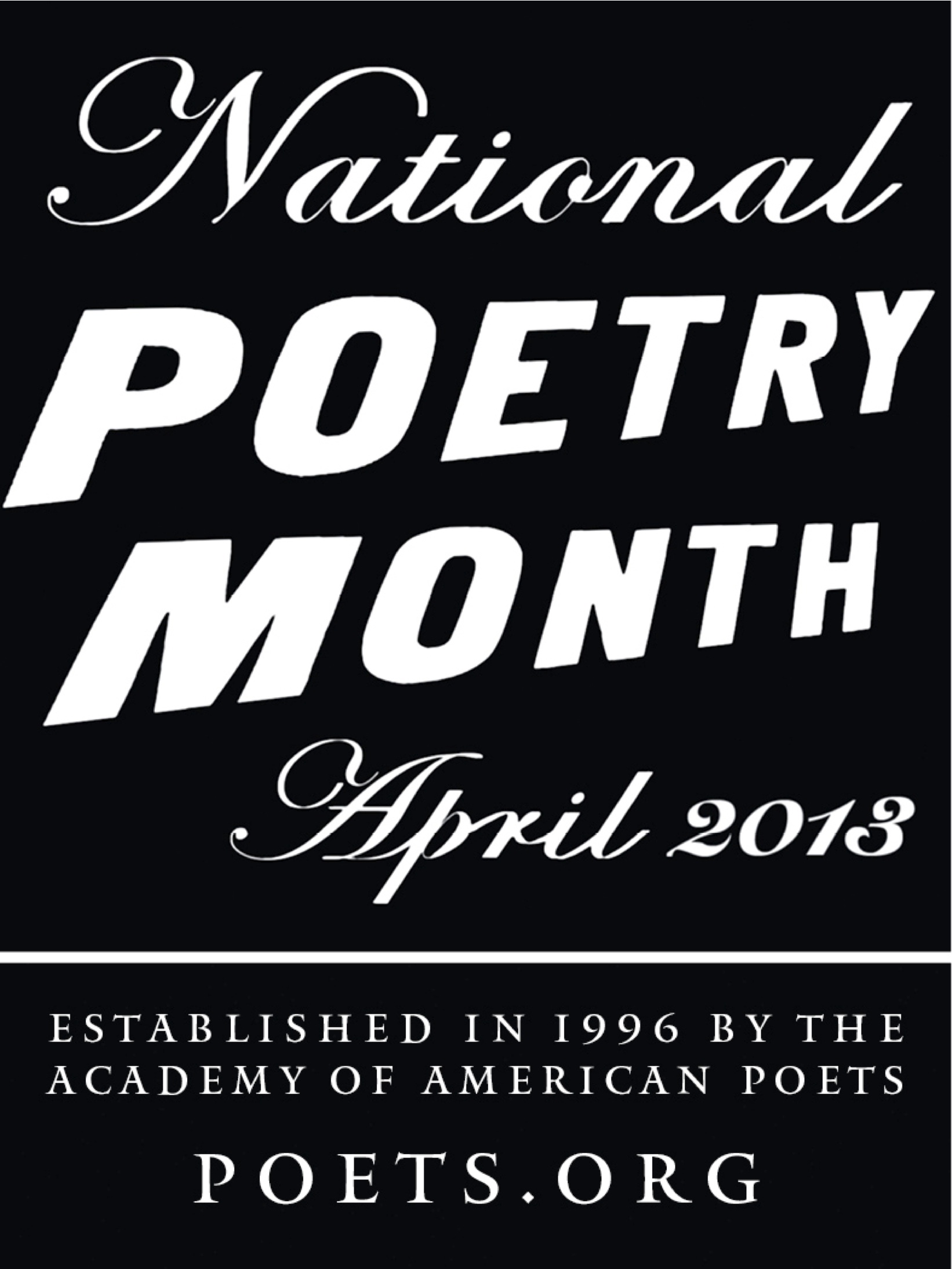
April is National Poetry Month! I’ve always had a thing for poetry—reading it, hearing it, writing it and savoring it. So, I am forever grateful that Giving Back opened a new opportunity for me to evoke and express my poetical alter ego…my own “Sasha Fierce”…my bolder voice that I (sometimes) call Ava Wood.

Above is haiku she/I/we composed today for the occasion, with more like this and this and this to come. — VF

National Poetry Month 2013_logo_large

What I Know

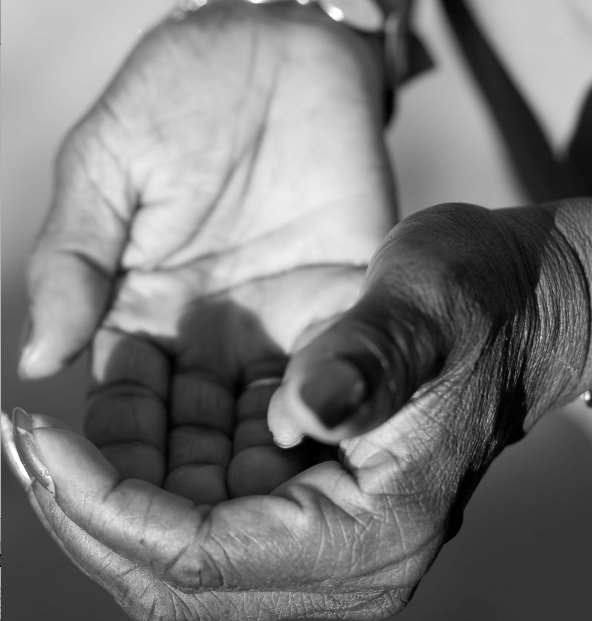
Photography by Charles W. Thomas Jr.

Gave away my soul.

Giving back to get it back.

Given what I know.

— Ava Wood, featured in Giving Back: A Tribute to Generations of African American Philanthropists

Reason and Rhymes

April is National Poetry Month and I’m taking the occasion to acknowledge and thank the poets—those in spirit and those in practice—who contributed important concepts and content to Giving Back.

Q | Photography by Charles W. Thomas Jr.

While wrapping up the book’s content during spring 2010, about a year and a half before the public release of Giving Back,  I asked a couple of close friends who are ardent readers to review and provide feedback on my near-final manuscript.

One friend in particular (we’ll call her ML) commented that it would be great if the book contained more than prose. To paraphrase, as I recollect it, she said, “You should include some kind of stream-of-consciousness, free-flowing, spoken word-like narratives.”

Huh? Hmm? What?!?!

After trudging through a litany of Herculean tasks, which included years of carefully collecting and curating content and meticulously crafting stories, that bit of feedback was far from well received.

Weaving in poetry was a valid suggestion—if fact, a brilliant one—but the protracted book-writing process had left me so thin-skinned that ML’s otherwise benign comment felt like a brutal assault on my long labor of love. “Apparently, what I’ve slaved to create is insufficient,” I sulked. Perplexed and seething in silence, I never asked ML to explain her rationale nor did I share my irritation.

Though pouting is admittedly an unflattering trait, the emotional churning served to heat up my creative juices and resulted in potent new content. (Call it poetic injustice :-)) ML’s casual suggestion had fueled this overachiever’s resolve: If she thinks poems are needed, then poems she will have! I promptly reached out to one poet and reached within for the other.

“Q”, a highly regarded poet and friend, had developed a spoken-word piece on philanthropy years prior for an event I organized. At my request, Q polished up the poem in writing, titled it and kindly submitted it for the book project. Entrancing as well as enlightening, “Full Circle” aptly closes Giving Back.

Ava, the other poet, seemed to come out of nowhere with a couple of spot-on new poems for the book. Timid initially, Ava and her poetry evolved, both becoming surprisingly bolder with encouragement from my friends and guidance from Q.

“Truth Be Told,” a poem expressly written by Ava for Giving Back, opens the book and has become a crowd-pleaser at book events. Even so, there was a time when I questioned whether her work was a good fit. Emphatic feedback from ML, Q and another friend, RG, made it clear that Ava’s poem merited not only inclusion but also prominent placement in Giving Back.

After reading “Truth Be Told,” RG gushed about it and wrote, “I want schoolchildren to read this poem!”

Q emailed a response I treasure most: “Ok . . . so the poem is DOPENESS!!! That last stanza is fiyah!”

I’ll wrap up by finally thanking ML for her discerning critique and by sharing another of Ava’s pieces. This one, haiku that’s featured in Giving Back.

Gave away my soul.

Giving back to get it back

Given what I know.

Ava Wood

Why and how are you giving back with your time, talent and treasure? — VF