A Gift That Keeps Giving

Photo by Valaida Fullwood

Photo by Valaida Fullwood

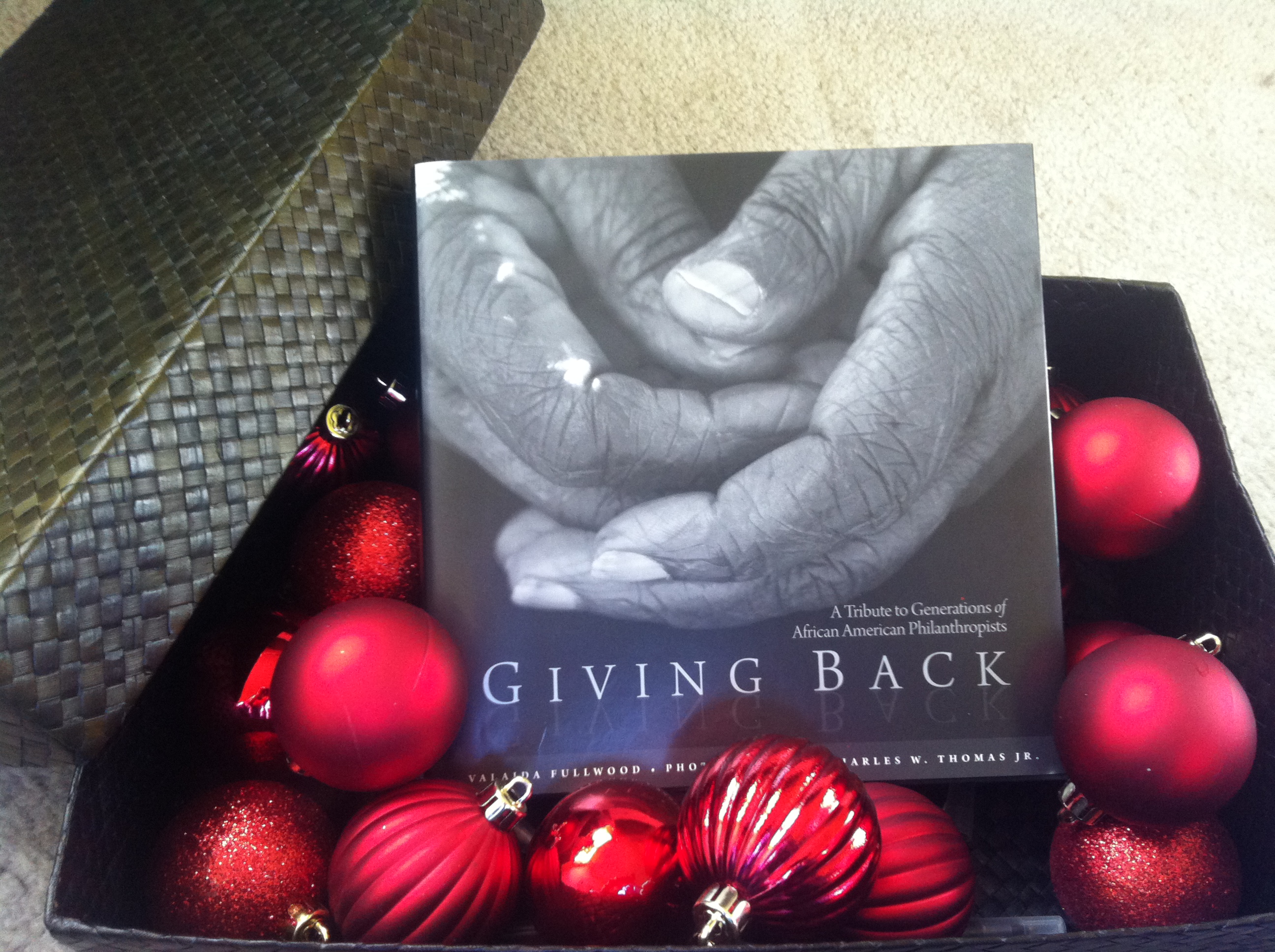
A perfect gift book, Giving Back offers wells of inspiration for generous souls and lovers of photography, culture, and humanity. Every book purchased keeps giving, since proceeds benefit the philanthropic causes of NGAAP-Charlotte—and since the stories themselves inspire readers to give.

You can buy it here.

‘Cause That’s How We Do

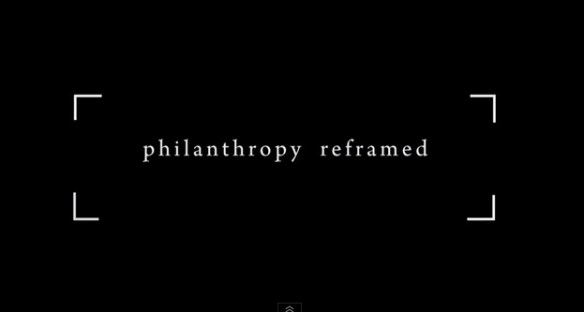
Today our book trailer [ philanthropy reframed ] reached 1000 views on YouTube!

Watch it (again) and share it to hear a new voice, to feel a new vibe, to experience a new video and to gain a new view on philanthropy. #getyourgiveon

philanthropy reframed vid screenshot

What I Know

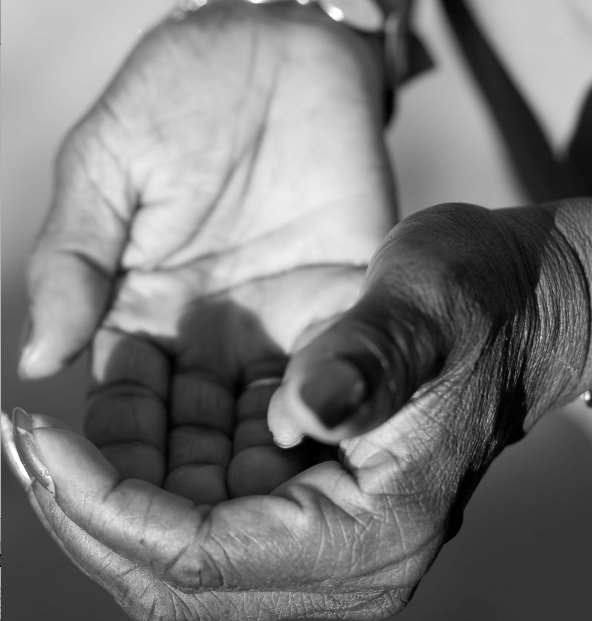
Photography by Charles W. Thomas Jr.

Gave away my soul.

Giving back to get it back.

Given what I know.

— Ava Wood, featured in Giving Back: A Tribute to Generations of African American Philanthropists

Reclaiming The Root Meaning of Philanthropy

  Radical simply means ‘grasping things at the root.’ — Angela Davis

Let’s engage in the radical work of reclaiming the root meaning of philanthropy: love of humanity. Philanthropy, a curious word to many, evokes a range of images, beliefs and emotions. To contemplate its semantics and evolution and then to initiate anew our collective philanthropic practice could prove a seminal undertaking for black America.

This moment hangs ripe. The “season of giving” is near and clears the way to a new year of possibilities. The election of President Barack H. Obama has substantiated, again, the might of black unity. And yet, between the hopes and history making and the thanks and gifts giving are uncharitable acts and vitriol that signal a shift back in time, not forward. Indignities, inequities and injustices do not simply dissipate; instead, we must come together in systematically uprooting them.

With community needs great and the need for unity greater, the times beckon a new era of conscientious philanthropy rooted in a love for community and expectations of social change. Let this generation, both young and old, embody a social transformation with bold recognition of our power and responsibility to give back.

Philanthropy is a gateway to power. It is a chief means to acquiring, sustaining and strengthening our status—economically, politically, socially and spiritually. Our ancestors knew this. They originated and supported systems for giving and assisted members of the community, whether neighbor, stranger or kin. Remarkably, a fundamental source of our progress at times seems forgotten.

Remembering our long and prolific history of philanthropy is crucial. Historical accounts of black largesse and examples of culturally significant vehicles of giving abound. Look up the Free African Society, an 18th century mutual aid organization established by Richard Allen and Absalom Jones. Study the social justice philanthropy of the legendary Madam CJ Walker. Before the Civil War, up through the Civil Rights struggle and after, our forebears charted paths and lay blueprints for progress. While the impulse to “give back” lives on in the community and opportunities exist to bring new twists to old traditions, this work must be encouraged and nurtured.

In the starkest of ironies, black Americans give the highest percentage of discretionary income to charitable causes when compared to other racial groups in America; and yet our philanthropy is discounted and overlooked by mainstream society. Indeed, within the black community, our traditions of giving are seldom acknowledged or celebrated, or even described as philanthropy. Absurd as it is, this cultural disconnect persists for many reasons and shortchanges us all.

Ideas and images of present-day philanthropy frequently fail to resonate and, worse yet, serve to alienate black Americans. Particularly unsettling is the stunning absence of black people in representations of philanthropists—a few select luminaries notwithstanding. A point of view endures that renders black donors and benefactors, in effect, invisible. The familiar picture of philanthropy is narrowly framed and thus gives a false impression that the only giving that matters is beyond the average person’s means.

On the demand side of philanthropy—as beneficiaries and “the needy”—is a common context for depictions of black children, families and communities. While but one facet of philanthropy, imagery around whites as the benefactors and blacks as those in need has devolved into a stubborn stereotype and produced a picture that distorts and is incomplete.

A richer picture exists. Widening the lens to include our customs and stories of giving yields a different view. Vibrant philanthropy is occurring in black communities, whether labeled as such or not. Even so, great promise rests in sharpening our focus to affect social change. Collectively, black America possesses the assets—heart, head, heritage and dollars—to eradicate a host of social ills. With our legacy of generosity, our shared stake in change and our capacity to leverage centuries-long gains in wealth, education and access, how could we not?

Exercising this power first requires a shift in thinking and wider recognition of the power of black philanthropy. Strategic alliances among black donors, across black communities and with institutional partners also are vital.

Significant in seizing the moment and sustaining the effort is love. Love of family. Love of culture. Love for thy neighbor as thyself. In its truest sense, philanthropy is rooted in love. Advancing social change with that spirit opens opportunities for everyone to participate and fixes the focus on liberating people not elevating oneself.

Putting our money where our heart lies. That is the charge. Begin doing your part today by deepening your knowledge of philanthropy, by examining your motivations for giving and by joining with others to grasp at the root causes of our collective concerns—for love.

Valaida

Five Things

Below are five things you can do to help us publicize Giving Back: A Tribute to Generations of African American Philanthropists, the 400-page hardcover book that reframes portraits of philanthropy.

  1. Post a book review on Amazon.com or Barnes & Noble
  2. Follow us on Twitter @valaidaf and @sankofaphotog
  3. Ask a local library or bookstore to carry Giving Back (ISBN: 978-0-89587-564-8)
  4. Tell a friend about Giving Back
  5. Give the book as a gift to children, friends and family…particularly with Thanksgiving and Christmas on the horizon

Giving Back aims to ignite a movement of conscientious philanthropy by empowering a generation to recognize their power and responsibility to give back.

Every book purchased keeps giving, since proceeds benefit philanthropic causes—and since the stories inspire readers to give.

Thank you!

What A Treat

It’s a treat to engage in a Giving Back book talk in Charlotte, my home city. Generous support from Snyder’s-Lance, Inc. and its African American Associate Network as hosts of the event is appreciated.

Much Given, Much Expected

“To whom much is given much is expected. This biblical passage from the Gospel of Luke conveys a belief that I and many of my African American family and friends hold dear. Many of us recall a defining moment or childhood lessons that influence our philanthropic giving.”

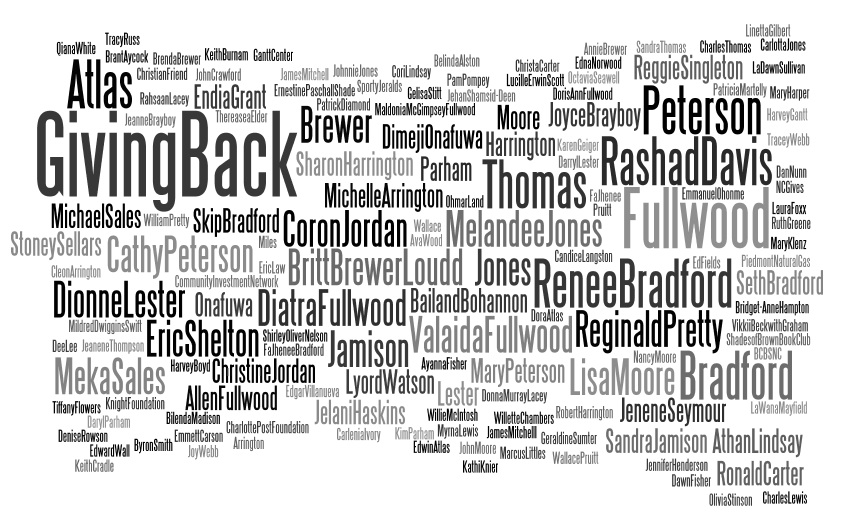
I’ve opened with these lines from Giving Back to say thanks to many of the people who gave their time, talent and treasure during the development of the book. The word cloud below is yet another way of giving props….as was done here too.

Watch [Philanthropy Reframed]

Charles W. Thomas Jr., photographer

New voices. New vibe. New video. New view on philanthropy.

Watch our new 2.5-minute video trailer for the Giving Back Project and its centerpiece publication, Giving Back. The project is a civic engagement campaign comprising artful stories and photography that reframe portraits of philanthropy.

For too long, philanthropy has been narrowly defined by great wealth and large monetary gifts. Prevailing stories about giving often exclude generous everyday people and feed false notions about who can give and make a difference. Changing the world requires us to rethink and reframe philanthropy.

The Giving Back Project brings new content and fresh approaches to include a wider slice of society in philanthropy. Through our publications, multimedia presentations and interactive community forums, we lift up inspiring stories of everyday givers.

  • Literary arts
  • Photography
  • Spoken-word poetry
  • Oral history
  • Music
  • Digital media
  • Social networking

No matter the medium, our stories promote the belief that we all can and should give back, no matter our age or our circumstances. We celebrate generous gifts of time, talent and treasure and venture to reclaim the root meaning of philanthropy, love of humanity.

The Giving Back Project aims to ignite a movement of conscientious philanthropy by empowering a generation to recognize its power and responsibility to give back.

Join us…and get your give on!

Reason and Rhymes

April is National Poetry Month and I’m taking the occasion to acknowledge and thank the poets—those in spirit and those in practice—who contributed important concepts and content to Giving Back.

Q | Photography by Charles W. Thomas Jr.

While wrapping up the book’s content during spring 2010, about a year and a half before the public release of Giving Back,  I asked a couple of close friends who are ardent readers to review and provide feedback on my near-final manuscript.

One friend in particular (we’ll call her ML) commented that it would be great if the book contained more than prose. To paraphrase, as I recollect it, she said, “You should include some kind of stream-of-consciousness, free-flowing, spoken word-like narratives.”

Huh? Hmm? What?!?!

After trudging through a litany of Herculean tasks, which included years of carefully collecting and curating content and meticulously crafting stories, that bit of feedback was far from well received.

Weaving in poetry was a valid suggestion—if fact, a brilliant one—but the protracted book-writing process had left me so thin-skinned that ML’s otherwise benign comment felt like a brutal assault on my long labor of love. “Apparently, what I’ve slaved to create is insufficient,” I sulked. Perplexed and seething in silence, I never asked ML to explain her rationale nor did I share my irritation.

Though pouting is admittedly an unflattering trait, the emotional churning served to heat up my creative juices and resulted in potent new content. (Call it poetic injustice :-)) ML’s casual suggestion had fueled this overachiever’s resolve: If she thinks poems are needed, then poems she will have! I promptly reached out to one poet and reached within for the other.

“Q”, a highly regarded poet and friend, had developed a spoken-word piece on philanthropy years prior for an event I organized. At my request, Q polished up the poem in writing, titled it and kindly submitted it for the book project. Entrancing as well as enlightening, “Full Circle” aptly closes Giving Back.

Ava, the other poet, seemed to come out of nowhere with a couple of spot-on new poems for the book. Timid initially, Ava and her poetry evolved, both becoming surprisingly bolder with encouragement from my friends and guidance from Q.

“Truth Be Told,” a poem expressly written by Ava for Giving Back, opens the book and has become a crowd-pleaser at book events. Even so, there was a time when I questioned whether her work was a good fit. Emphatic feedback from ML, Q and another friend, RG, made it clear that Ava’s poem merited not only inclusion but also prominent placement in Giving Back.

After reading “Truth Be Told,” RG gushed about it and wrote, “I want schoolchildren to read this poem!”

Q emailed a response I treasure most: “Ok . . . so the poem is DOPENESS!!! That last stanza is fiyah!”

I’ll wrap up by finally thanking ML for her discerning critique and by sharing another of Ava’s pieces. This one, haiku that’s featured in Giving Back.

Gave away my soul.

Giving back to get it back

Given what I know.

Ava Wood

Why and how are you giving back with your time, talent and treasure? — VF

Soul. Oh!

Portrait from "Giving Back" | Charles W. Thomas Jr., photographer

Dreams are illustrations from the book your soul is writing about you.” ― Marsha Norman

Through the book Giving Back, we venture to dream a bigger dream and to ignite a movement of conscientious philanthropy by empowering a generation of Americans to recognize their power and responsibility to give back. ― VF