“We must use time wisely and forever realize that the time is always ripe to do right.”
— Nelson Mandela (b. 18 Jul 1918)
Charles W. Thomas Jr., photographer


“We must use time wisely and forever realize that the time is always ripe to do right.”
— Nelson Mandela (b. 18 Jul 1918)
Charles W. Thomas Jr., photographer

Charles W. Thomas Jr., photographer
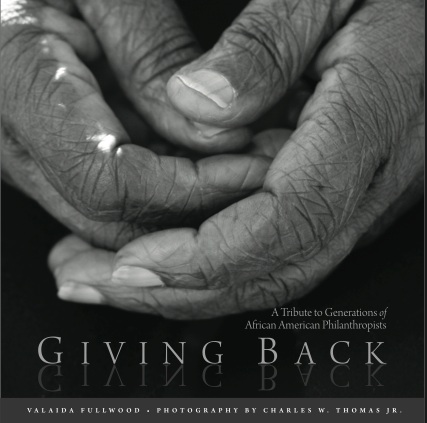
A year ago today, my grandfather James Mitchell departed this earth after eighty-six years of a beautiful life. I had the fortune of being with him in Asheboro when he passed on and, earlier, to have collected his story and portrait for the book Giving Back.
To commemorate his passing, today I’m sharing the tribute that I prepared with my sister and presented at his funeral.
Below is the tribute:
I’ve read ‘a good man is not a perfect man…but rather a good man is an honest man, and one who is faithful to God and doesn’t hesitate in responding to the voice of God in his life.’
And my grandfather, James Mitchell, was a good man. When I was a little girl I was convinced he was a rich man…in fact, the richest man around. Whenever I got a glimpse of him peeling off bills from a wad of money to pay for gas or groceries or candy for Diatra and me. I was convinced he was a millionaire. Who knows, looking back it could have been wads of one-dollar bills.
In any case, the good man that he was, he left us millions of beautiful memories and lessons about living a good life.
Diatra and I were talking the other night and we were flooded with the sweetest memories of Granddaddy. They ranged from the BB Walker shoes he bought us when we were little girls and that we proudly sported at church and school to the BB King concerts we attended together because he was Granddaddy’s favorite musician.
Our memories are plentiful and include…
The smell of Cashmere Bouquet soap in motel rooms on our family vacations to Atlantic Beach, where Granddaddy would swing us into the ocean waves,
The sense of adventure in riding shotgun in H-5—the big transfer truck he drove for decades at Harrelson Tire Company,
The charmed life we lived during our summers in Asheboro with Granddaddy chauffeuring us around town in one of his many faithful and well-waxed Oldsmobiles or in the back of his Ford pick-up truck. Diatra was particularly fond of stops at the Quik Pik convenience store where he bought her stashes of assorted Now & Later candies.
We remember…
Playing in the front yard, and in yards up and down Franks Street, in the summertime while Granddaddy sat watch from the front porch with a Mason jar of ice-cold water nearby.
We remember…
Music filling our grandparents’ house as he played his jams from his beloved record collection.
And when we were really little, his teaching each of us to dance while standing on the tops of his gigantic shoes.
We remember…
Sitting at the kitchen table studying maps and atlases as we “helped” Granddaddy prepare to hit the road for Harrelson. We were really good students too and years later flipped the script and had him getting out maps to find where in the world we were flying off to next.
We remember a really good man who shaped so much about who are today.
A passage from Ralph Waldo Emerson expresses what Granddaddy’s legacy embodies:
‘To laugh often and much. To win the respect of intelligent people and the affection of children; to earn the appreciation of one’s critics and endure the betrayal of false friends.
‘To appreciate beauty, to find the best in others, to leave the world a bit better, whether a healthy child, a redeemed social condition, or a job well done. To know even one other life has breathed easier because you live. This is to have succeeded.’
James Mitchell, we will forever love and remember you well.
— VF

Charles W. Thomas Jr., photographer
Give love today.
“Every artist dips his brush in his own soul, and paints his own nature into his pictures.” — Henry Ward Beecher

Today is the birthday of Charles W. Thomas, Jr., the photographer for Giving Back. I’m taking the occasion to publicly thank Charles for collaborating with me on this project. Our dispositions and skill-sets proved a good match; however, it was a shared pride in our cultural heritage and love of our community’s stories that defined our work together. (Though, my loyalties as a Tarheel might rightfully be questioned for working so well with a Duke grad! Sorry about that.)
Still an amazingly vivid memory, my initial conversation with Charles happened almost four years ago. We had crossed paths professionally, but neither of us truly knew the other or had never even had a one-on-one conversation. Months earlier, I had conceived of and mapped out the book project and was now in search of a photographer.
I wanted to find someone who would approach the project with an artist’s eye and could capture the striking beauty of our people and our stories. Knowing of his affiliation with The Light Factory Contemporary Museum of Photography and Film, Charles had been on my list of prospective photographers, and several people in Charlotte’s arts community also had suggested I meet with him.
During our meeting, I unfolded my vision of the book and shared notes from a concept paper. Charles held an amused look as I rambled on about what I envisioned and the timeline and the resources and the logistics for making it happen. He expressed his past desire to pursue a similar concept. As we talked further, there was clear alignment of our values and artistic aspirations.
A crucial move, choosing Charles as my photography partner on the project was no doubt divinely inspired. His collaboration has been a God-sent steadying force—from his initial blind faith in my vision to his level-headedness, patience, professionalism and generosity. During the photo shoots, he established a trusting rapport with each person and thus captured telling images. He also was easy about the unexpected twists and turns of the project and the constant stream of ideas coming from me.
You will soon see, in each of the 180 photographs featured in Giving Back, a thousand words spoken not only about every subject but also about the wide soul and genius nature of Charles Thomas.
Thank you and have a happy birthday Charles!
— VF
In Giving Back, we ask: What’s distinctive about Black philanthropy?
Here’s a response . . .
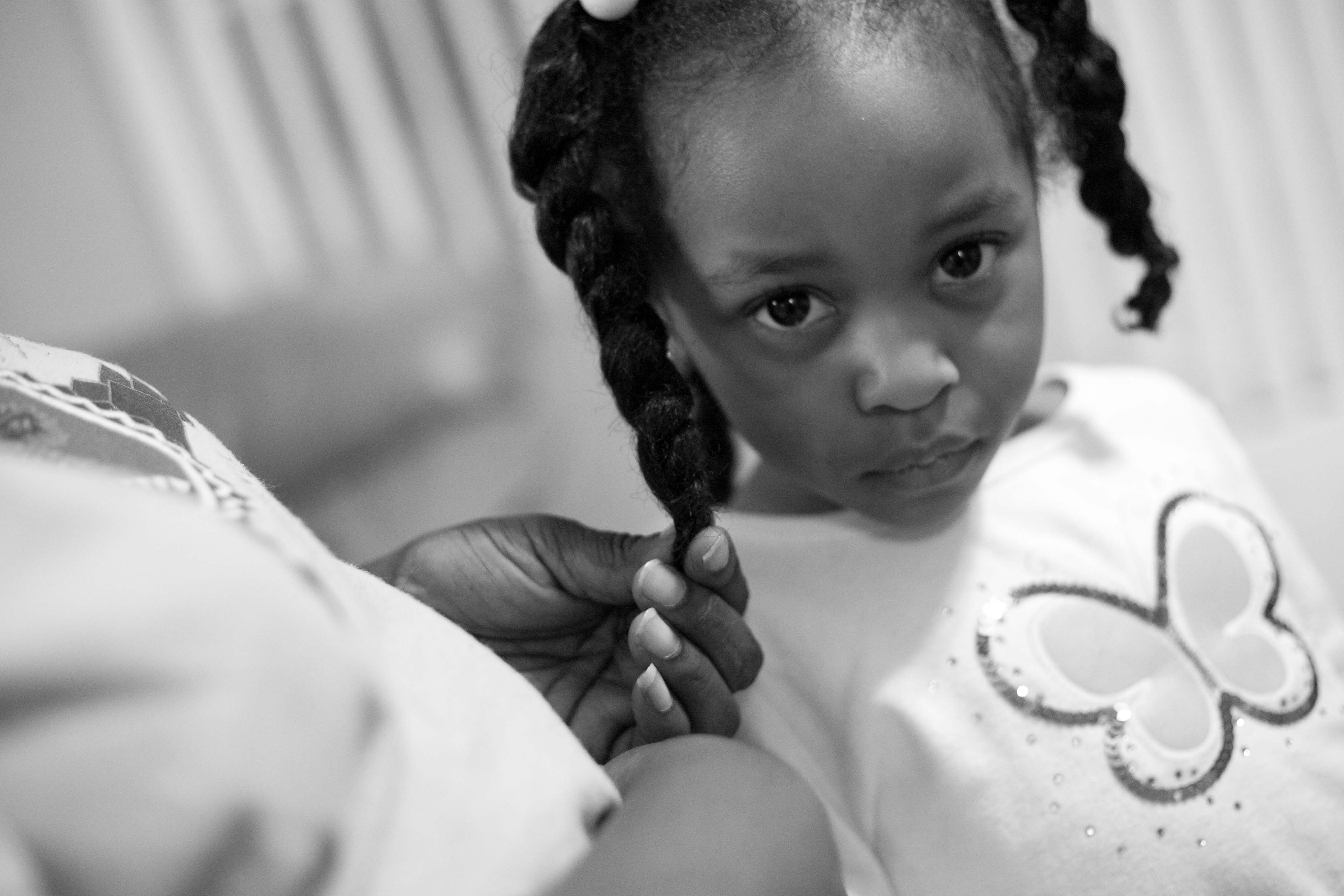
“How dynamic it is—just like African Americans. Our philanthropy can take on many shapes and forms, from taking care of neighborhood children to preparing meals, from sharing our artistic talents tobraiding hair or donating dollars.” — Meka S. Sales
Charles W. Thomas Jr., photographer

 valaida